

By Amos Harris
The 8th Judicial Circuit Court in Nimba County has sentenced a woman identified as Ma Mary Giah to 25 years imprisonment for the killing of her three grandchildren, bringing a close to one of the most disturbing murder cases reported in the region in recent months. The court’s decision has shocked residents across the county, with many citizens describing the crime as cruel and heartbreaking. According to judicial authorities, Ma Mary Giah was found guilty after rigorous court proceedings firmly established her involvement in the tragic deaths of the three innocent children.
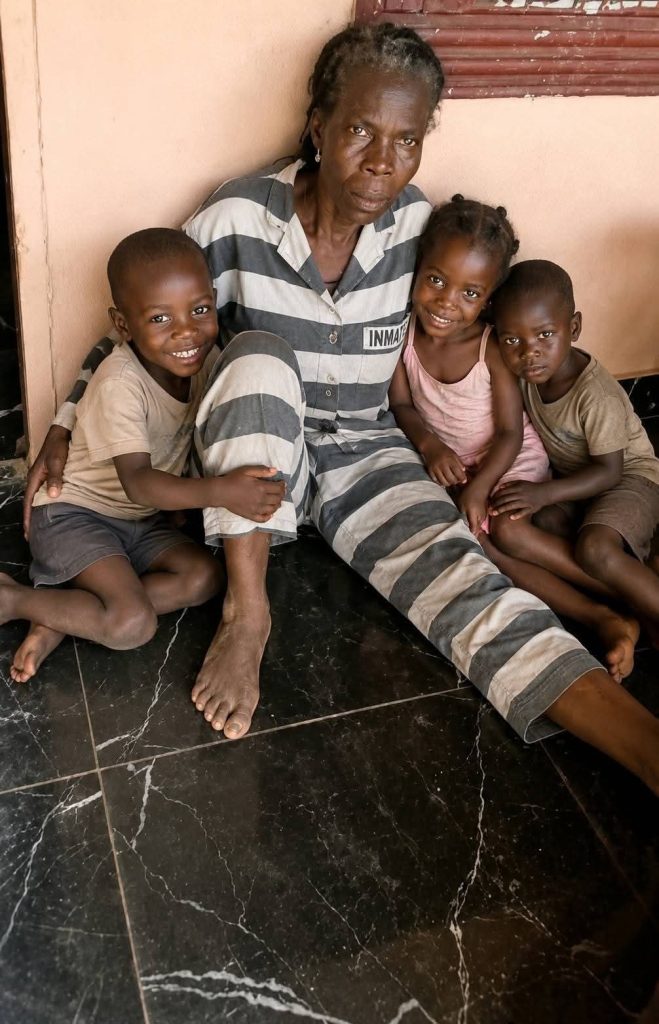
The final ruling was handed down amid heightened public attention and intense scrutiny surrounding the case. Residents who gathered around the courthouse openly welcomed the sentence, expressing relief that justice had finally been served for the young victims whose lives were cut short.
In the wake of the verdict, community leaders in Nimba County expressed profound concern over an increasing wave of violent crimes being reported across different parts of Liberia, especially cases involving close family members. Many citizens described the horrific killings as a stark sign of growing social and moral decay confronting the nation, warning that violence is becoming alarmingly common in both rural and urban communities alike. Legal experts noted that the landmark case sends a strong warning that the justice system will continue to fiercely prosecute individuals involved in violent crimes, regardless of their age, gender, or social background.
Furthermore, the sentencing of Ma Mary Giah has reopened a broader public debate about the rise in mysterious killings, domestic violence, and unresolved deaths across Liberia. Several residents who spoke following the ruling lamented that the country is witnessing an unprecedented increase in brutal acts involving both young and old populations. Some citizens blamed this troubling shift on severe economic hardship, a critical lack of mental health support, rampant substance abuse, and weak community-level interventions aimed at preventing violence before it escalates. Consequently, human rights advocates are now calling on the Government of Liberia to urgently strengthen community awareness programs and improve counseling services in vulnerable areas, while renewing calls for the robust protection of children living in difficult family environments.
Meanwhile, concerns over suspicious deaths in Liberia continue to mount following another troubling incident reported in Bong County. In that separate case, a man who had reportedly been detained by the Liberia National Police was later found dead near a police station under unclear circumstances. This incident has raised serious questions among residents and human rights campaigners, with many demanding an immediate, independent investigation.
Citizens in Bong County state that the mysterious circumstances surrounding the man’s death have created deep fear and suspicion within the community. Some residents have openly accused authorities of failing to provide clear, transparent explanations regarding how a detainee died after being taken into police custody. Human rights groups have warned that continued reports of unexplained deaths and violent killings could severely weaken public confidence in Liberia’s justice and security institutions. They are urging law enforcement authorities to conduct thoroughly transparent investigations and ensure that anyone found responsible is held strictly accountable under the law.
Ultimately, observers believe these back-to-back incidents in Nimba and Bong Counties reflect deeper social and institutional challenges currently confronting the nation. As public anxiety grows, many Liberians are calling for decisive action from the government, the judiciary, and security agencies to curb the rising wave of violence and suspicious deaths nationwide. For now, the sentencing of Ma Mary Giah stands as one of the latest major criminal judgments in Liberia, even as citizens continue to demand systemic justice, institutional accountability, and stronger protection for vulnerable people across the country.

Comments are closed.