

…as Mining Communities Remain in Poverty
By Amos Harris
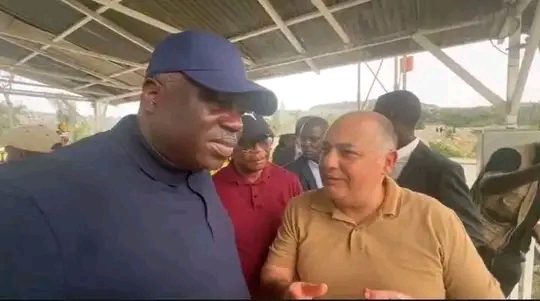
Recent disclosures regarding the Bea Mountain Mining Company’s production levels to Vice President Jeremiah Kpan Koung have intensified public anger across Liberia. For many citizens, the figures represent a painful contradiction at the heart of the country’s extractive economy: billions of dollars in gold wealth are leaving the soil while host communities remain locked in a cycle of poverty, weak healthcare, and chronic underdevelopment.
According to figures provided by company officials, Bea Mountain currently produces approximately 900 kilograms of gold every month—a volume just shy of one metric ton. At current international market prices ranging from US$152,000 to US$153,000 per kilogram, the mine’s output represents an extraordinary stream of wealth. Even using a conservative estimate of US$150,000 per kilogram, the numbers are staggering. At 900 kilograms monthly, the company’s production translates to US$135 million every month. Over a 12-month period, that figure rises to an estimated US$1.62 billion annually, a sum that is raising hard questions about who truly benefits from Liberia’s mineral resources.
Rather than providing reassurance, this disclosure has reignited criticism from civil society actors and affected residents. They argue that these figures expose a growing gap between the country’s vast natural wealth and the daily suffering of ordinary Liberians. For many, the issue is no longer just the volume of gold being extracted, but the visible absence of development in the communities that host the mine. Residents in the Bea Mountain concession belt continue to report poor road connectivity, inadequate clinics, weak school infrastructure, and rising youth unemployment.
The contrast is striking. While hundreds of millions of dollars in gold reportedly leave Liberia each month, nearby communities remain burdened by poor living conditions and limited access to safe drinking water. Community members testify that the mine’s presence has brought little visible transformation beyond low-paying labor opportunities that fail to reflect the immense value of the resources extracted from their ancestral land. This reality has once again placed Liberia’s resource governance system under sharp national scrutiny.
Given that the company’s own figures suggest yearly production valued at over US$1.6 billion, there are mounting calls for the Liberian government to provide a full public accounting of earnings from taxes, royalties, social development funds, and land rental fees. Public concern is further heightened by the fact that these figures were self-reported during an official engagement rather than emerging from an independent audit or legislative review. This leads to a troubling question: if the company can openly report production levels worth more than US$1.6 billion every year, why do mining communities still lack basic schools, hospitals, and paved roads?
Labor inequality has also emerged as a major flashpoint. Workers and advocates in the concession area report that many Liberian employees remain trapped in low-wage, entry-level positions, while high-paying technical and managerial roles are allegedly dominated by foreign staff. This imbalance is fueling resentment among local youth who struggle for meaningful employment despite living in one of the nation’s most resource-rich regions. Residents argue that Liberia’s mineral wealth is increasingly enriching foreign investors and political elites, while local communities absorb the environmental degradation and social disruptions linked to mining operations.
What is unfolding at Bea Mountain is becoming a broader symbol of Liberia’s enduring resource paradox—a nation blessed with enormous mineral wealth, yet weighed down by widespread poverty. For decades, Liberia has leaned on its extractive sector as a pillar of economic growth, but repeated complaints suggest that the gains are not reaching the people whose land sustains the industry.
Citizens are now calling for stronger legislative scrutiny, independent audits, and full public disclosure of all payments made by the company. There are also demands for the Ministry of Mines and Energy, the Liberia Revenue Authority, and environmental regulators to publish a detailed breakdown of the concession’s economic returns and social impact.
For the residents of the mining belt, the issue remains deeply personal. They watch their rivers, forests, and land be used to generate global wealth while their children study in poorly equipped classrooms and families travel long distances for basic medical treatment. As public pressure intensifies, the Liberian government faces a renewed challenge to prove that mineral wealth can deliver real value to its people. The true measure of success is not the amount of gold exported, but whether that wealth translates into better schools, stronger hospitals, and visible community development. Until that happens, the reported US$1.62 billion in yearly gold revenue will remain a powerful symbol of inequality in Liberia’s extractive economy.

Comments are closed.