

Monrovia, Liberia — June 3, 2026: The United Nations Development Programme (UNDP), in collaboration with the Embassy of Sweden and the Liberia Revenue Authority (LRA), has reaffirmed its commitment to strengthening fiscal decentralization and local governance through a joint field mission and sector consultations across Grand Bassa, Margibi, and Nimba Counties.
The mission assessed progress under the Real Property Tax Expansion Project, a pilot initiative designed to support the operationalization of Liberia’s Revenue Sharing Act and enhance local revenue mobilization systems.
Implemented with support from Sweden and UNDP under the Liberia Decentralization Support Programme (LDSP), the project leverages digital tools and innovative systems to improve property mapping, tax assessment, bill generation, and revenue administration—key elements in building transparent and accountable local governance.
During the visit to District #3 in Grand Bassa County, stakeholders including government officials, development partners, and implementing firm KWARECOM, Inc. reviewed progress and observed field operations, including real-time property mapping and tax bill distribution.
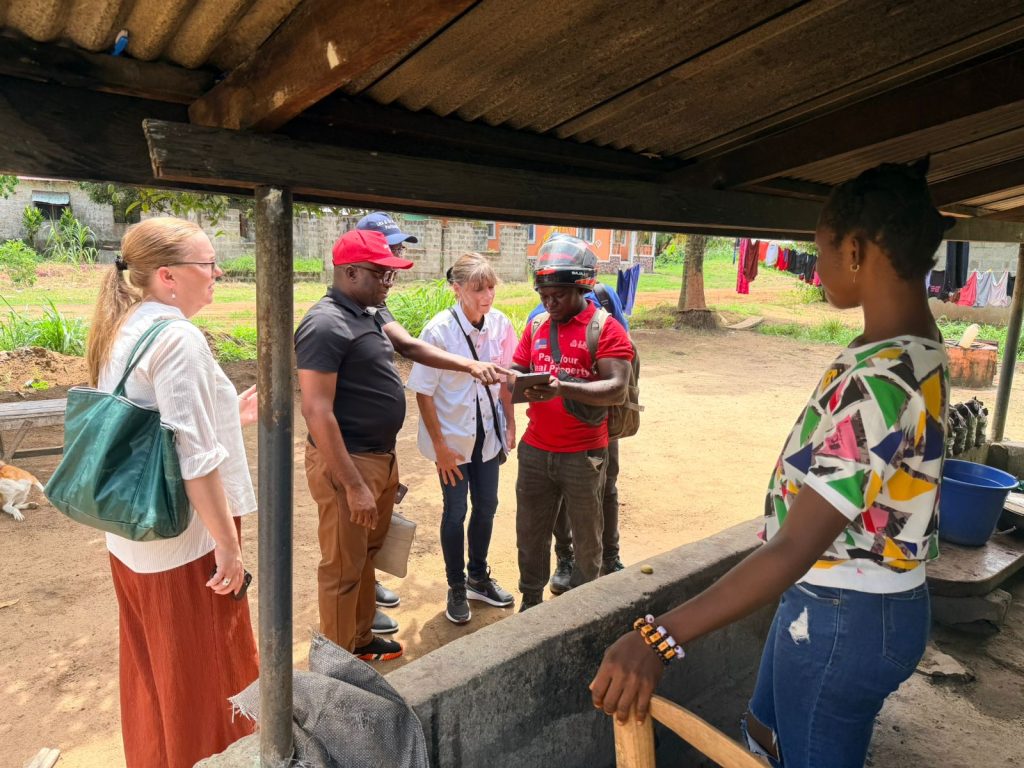
Initial results show significant progress, with over 2,000 tax bills printed and hundreds delivered, alongside the mapping and documentation of both improved and unimproved properties.
Speaking during the mission, representatives emphasized that strengthening domestic resource mobilization is essential for improving service delivery, enhancing accountability, and enabling local governments to finance development priorities.
The initiative also demonstrates how digital technologies and data-driven systems can modernize public financial management, increase efficiency, and support evidence-based decision-making at the local level.
In parallel, UNDP participated in sector budget consultations led by the Ministry of Finance and Development Planning (MFDP) in Margibi and Nimba Counties.
These consultations focused on advancing fiscal decentralization, budget disaggregation, and the implementation of the 2026 fiscal rules, marking a transition from policy discussions to practical implementation.
The Government of Liberia highlighted key reforms, including the expansion of County Treasury Centers and strengthened county-level expenditure tracking, aimed at improving transparency, accountability, and service delivery nationwide.
While progress is evident, stakeholders identified areas for further strengthening, including long- term sustainability of digital systems, enhanced engagement with diaspora property owners, and continued investment in ICT infrastructure and institutional capacity.
The joint mission underscored that strong partnerships between government, communities, and development partners remain critical to scaling up reforms and ensuring sustainable impact.
The Real Property Tax Expansion Project represents a significant step toward empowering local governments with the resources and systems needed to drive inclusive development and deliver services that respond to citizens’ needs.

Comments are closed.