

Kpayaquelleh, Lofa County; December 1, 2025 – The United Nations Development Programme (UNDP), through its Accelerated Community Development Programme (ACDP), is deepening engagement with rural communities by delivering essential tools, water projects, and empowerment initiatives to improve livelihoods and reduce hardship.
During a joint UNDP-Legislative monitoring mission with the WASH Legislative Caucus Secretariat, led by Grand Bassa District 5 Representative in Kpayaquelleh, Mr. Stanley Kamara, UNDP Team Leader for Inclusive Governance, described ACDP as “the right initiative for the people, especially in rural communities.
He emphasized that the program is designed to empower residents to take charge of their livelihoods and create opportunities for themselves.
“We are here in the counties to reach the people, train them, and empower them,” Kamara said, noting that ACDP’s approach aligns with its guiding principle: Leave no one behind.
Town Chairlady Korpo Kwelah expressed gratitude for the farming equipment and tools provided under ACDP, which have eased the burden on women farmers.
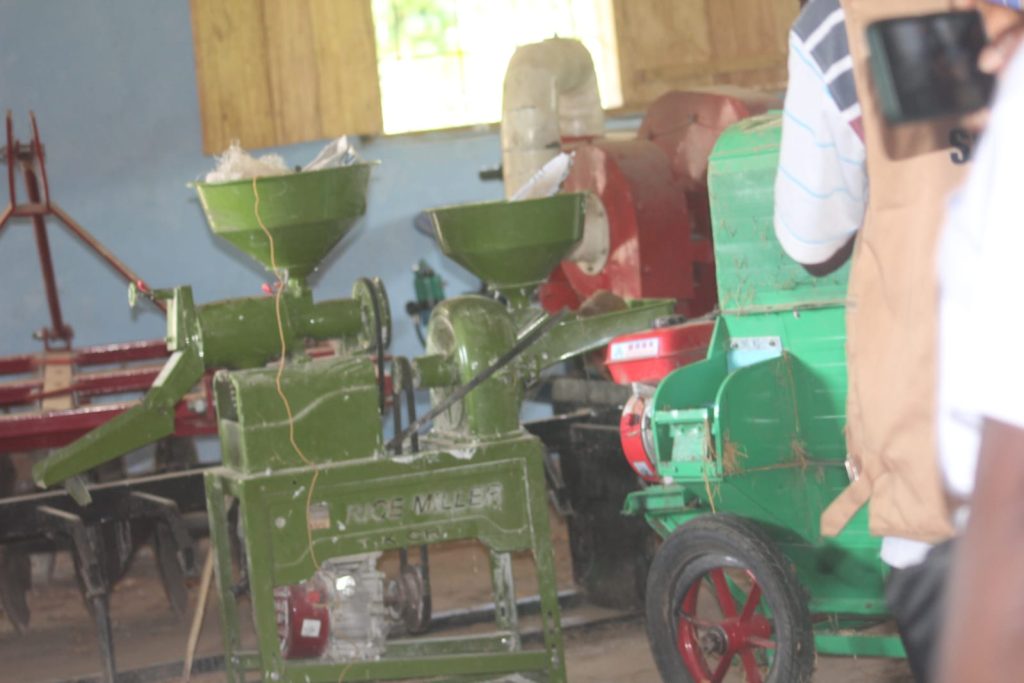
“Before, we worked with our hands to make farms. It was challenging, but the equipment and tools, like the tractors and rice mills, make our work easy now,” she said.
She also lauded the ongoing solar-powered water project, stressing that once completed, it will help prevent waterborne illnesses, especially during the dry season.
“This water will be safe to drink. It will save us from cholera and from walking long distances,” she added.
However, Korpo urgently appealed for road rehabilitation, explaining that poor road conditions spoil rice harvests due to a lack of buyers.
“Sometimes people want to pay only $15 for a 50kg bag of rice. If the road is good, we can carry our goods out to sell to get better rates,” she noted.
Town Secretary Abraham B. Saryon praised the cooperative structure introduced under ACDP but called on the government to assign trained teachers to Kpayaquelleh.
“There are not enough teachers because of the bad road. The little money we make from farming is what we use to pay teachers. Sometimes we even help on their farms just so they can teach our children,” he explained. The Town Landlord James Y. Bemah welcomed the materials provided to the cooperative, which now boosts the work of 75 members—45 women and 30 men.
“Since I was born, everything has been in the city. For the government to think about the interior so things can be decentralized, I am very happy,” he said, urging for more technicians and farmer training.
Grand Bassa Lawmaker Commends UNDP, Pledges to Advocate for More Funding
In Kailahun, Lofa County, Representative Thomas A. Goshua of Grand Bassa County District #5 visited the UNDP project site to assess progress.
Representative Goshua explained that while the government and UNDP jointly fund ACDP, limited resources have slowed some components.
“We want to see how the project is affecting lives before approving more money. When I return to the Capitol, I will inform Rep. Thomas Fallah and other Lofa lawmakers so we can support the budget and complete the project,” he said.
Goshua assured residents that once completed, the community will no longer depend on the rivers for water.
“When the project is finished, you will have safe drinking water right near you,” he promised, adding that he will also advocate for better roads and improved telecommunications in Kailahun.
Town Chief Musa Kollie expressed gratitude but lamented the “terrible” road conditions that cause fruits and other produce to rot due to a lack of market access.
Town Chairlady Cecelia Momo echoed the call for road rehabilitation, saying poor roads have crippled business and limited buyers.
Youth Chairman Sando B. Kamara thanked UNDP for the ongoing water project and urged that the initiative be extended to other communities.
Elder Abu Mandoe appreciated the government and UNDP for reaching remote areas, noting that such visits were unheard of in the 1960s and 1970s.
He appealed for more agricultural support, including tools for cocoa and sorghum
cultivation, stressing that these crops could generate revenue for both farmers and the government.
Communities Call for Sustained Action
Both Kpayaquelleh and Kailahun communities praised UNDP and the Liberian government for interventions under the ACDP, but strongly appealed for:
- Improved roads
- More trained teachers
- Expanded agricultural support
- Wider coverage of development projects, among others
The monitoring mission underscores both the progress achieved and the urgent needs identified in rural Liberia as communities strive for improved livelihoods and sustainable development.

Comments are closed.