

By Amos Harris
Duala Market, one of Liberia’s busiest commercial hubs, is facing severe sanitation challenges as mounting heaps of garbage and worsening environmental conditions impact thousands of traders and customers who rely on the facility for their daily livelihoods. The situation has become increasingly alarming, with massive piles of waste occupying key sections of the trading area, creating unpleasant conditions and disrupting daily operations. Many vendors report that the deteriorating environment is making it difficult to conduct business, while simultaneously exposing residents, shoppers, and market workers to serious health risks.
Critics are questioning the effectiveness of the Monrovia City Corporation (MCC) under the leadership of Mayor John-Charuk Siafa, arguing that the city administration has yet to provide a sustainable solution to the capital’s growing waste management crisis. According to marketers, repeated promises to improve sanitation in major commercial centers have yielded little visible progress, leaving many local communities frustrated.
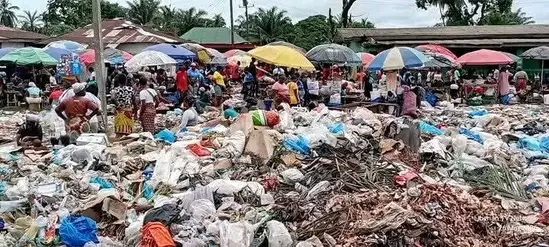
Several traders interviewed at the market complained that poor infrastructure, inadequate waste disposal systems, and severe overcrowding continue to heavily undermine their business activities. They noted that drainage systems around the market are frequently blocked by garbage, creating stagnant water and foul odors that drive away customers. The traders further warned that the unchecked accumulation of waste could trigger the spread of waterborne diseases, particularly during the rainy season when flooding routinely affects many parts of Monrovia. Parents and residents living near the market have echoed these concerns, expressing deep anxiety over the impact of these unsanitary conditions on children and vulnerable members of the community.
Speaking to journalists, petty trader Johnson Nimely sharply criticized municipal officials for failing to address the sanitation crisis affecting the capital. Nimely recalled previous public debates about the cleanliness of Monrovia, noting how public figures were historically treated when raising similar concerns. “When former President Ellen Johnson Sirleaf said the city was dirty, many people insulted her instead of addressing the problem,” Nimely stated, arguing that the current state of Duala Market proves that sanitation remains one of the capital’s most pressing unresolved challenges.
The trader also openly questioned recent remarks from national leadership suggesting that sanitation conditions in Monrovia have improved significantly. “Even President Joseph Nyuma Boakai said the city is better than before, but we don’t understand that because the city appears dirtier than it was before,” Nimely asserted.
According to local marketers, the challenges plaguing Duala Market are not isolated, as similar sanitation crises are currently affecting several major markets across Montserrado County. They pointed to overcrowded trading areas, insufficient garbage collection services, and weak enforcement of existing sanitation regulations as the primary drivers of the growing crisis.
Public health advocates warn that continued neglect of these issues could easily spark disease outbreaks, placing additional pressure on Liberia’s already strained healthcare system. As community complaints continue to mount, traders and residents are calling on the Monrovia City Corporation and relevant government agencies to take immediate action to restore cleanliness, upgrade waste management systems, and protect the health and welfare of citizens across the capital.

Comments are closed.