

Monrovia, Liberia – 20, July 2026 — The United Nations Development Programme (UNDP) Liberia on July 17, 2026, joined the Judiciary of Liberia, the Government of Liberia, development partners, members of the legal profession, and families to celebrate the graduation of a new cohort of magistrates under the Professional Magistrate Training Program (Cycle 4) at the James A. A. Pierre Judicial Institute.
The graduation marks another important milestone in Liberia’s ongoing efforts to strengthen the rule of law by investing in a professional, ethical, and competent judiciary capable of delivering accessible and impartial justice to all citizens.
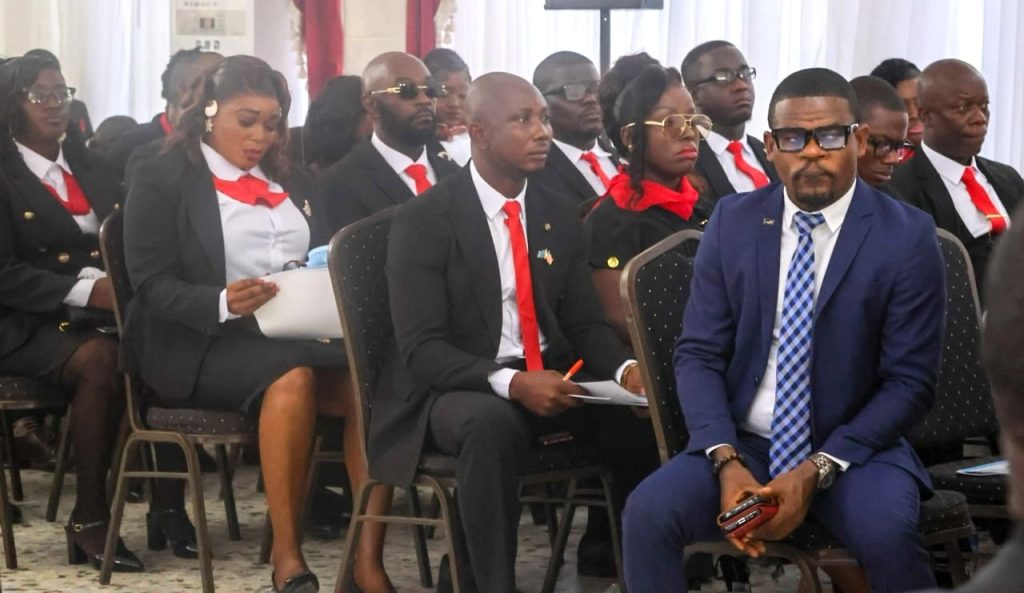
During the graduation ceremony, speakers emphasized that magistrates are often the first point of contact between citizens and the justice system and therefore play a critical role in promoting public confidence in the rule of law.
In remarks delivered, UNDP Liberia Resident Representative Aliou Mamadou Dia congratulated the graduates and reaffirmed UNDP’s longstanding partnership with the Judiciary of Liberia in strengthening the rule of law and improving access to justice.
UNDP remains committed to supporting a justice system that is accessible, accountable, inclusive, and responsive to the needs of all Liberians. Strong institutions and ethical judicial leadership are fundamental to sustainable peace, democratic governance, and national development, Dia said.
Delivering the keynote address, Minister of Finance and Development Planning Augustine Kpehe Ngafuan underscored the strong relationship between the rule of law and national development, noting that economic growth, investor confidence, and sustainable development depend on an independent and credible judiciary.
Minister Nguafuan also highlighted the Government of Liberia’s growing investment in judicial reform, including increased budgetary support for the judiciary and the Professional Magistrate Training Program.
Minister of Justice Cllr. Oswald Tweh encouraged the graduates to uphold the Constitution, resist corruption, and administer justice fairly and impartially while protecting the rights of all Liberians regardless of social or economic status.
Chief Justice Yamie Quiqui Gbeisay, Sr. reminded the graduates that the integrity and professionalism of judicial officers are fundamental to maintaining public trust in the courts.
He urged them to uphold the law with courage, fairness, humility, and compassion, emphasizing that justice delayed is justice denied.
The class valedictorian Josiah Wiah, reflected on his journey from growing up during Liberia’s civil conflict to graduating as valedictorian of the programme, paying tribute to his mother, mentors, sponsors, and classmates.
Wiah encouraged his fellow graduates to regard their certificates as a solemn public trust and pledged to uphold integrity, impartiality, and service throughout their judicial careers.
Established in 2008 by the Supreme Court of Liberia, the James A. A. Pierre Judicial Institute serves as the Judiciary’s principal institution for judicial education, research, and professional development.
The Institute was created in response to assessments that identified significant capacity gaps within Liberia’s justice sector, including inconsistent court administration, limited research resources, inadequate training opportunities for judicial personnel, and the absence of standardized systems across the country’s courts.
Since its establishment, the Institute has played a central role in Liberia’s judicial reform agenda by developing and implementing specialized training programmes for judges, magistrates, public defenders, court clerks, city solicitors, and other judicial personnel.
Through these initiatives, it has also supported the production of legal reference materials and strengthened institutional capacity across the justice sector.
Over the past sixteen years, the Professional Magistrate Training Program has become one of the Institute’s flagship initiatives, preparing qualified magistrates to serve in courts throughout Liberia, particularly in rural and underserved communities. Previous training cycles have produced more than 230 professionally trained magistrates, significantly expanding judicial capacity nationwide.
UNDP has been a longstanding partner of the James A. A. Pierre Judicial Institute, supporting the Judiciary of Liberia’s efforts to strengthen professional judicial education, institutional accountability, and access to justice.
Through targeted capacity-building initiatives, UNDP has supported the training of judges, public defenders, and other justice sector actors, helping to enhance judicial competence, ethics, transparency, and public confidence in the rule of law.
Most recently, UNDP supported the Institute’s Judges Peer-to-Peer Review and Accountability Training, bringing together judges from across Liberia to strengthen judicial performance, knowledge sharing, and accountability.
UNDP has also supported specialized training for public defenders on sexual and gender-based violence (SGBV), juvenile justice, and survivor-centered approaches, contributing to improved justice outcomes for vulnerable populations.
In addition, UNDP has collaborated with justice and integrity institutions to promote anti-corruption measures, ethical conduct, and transparent governance within Liberia’s justice system.
These interventions reflect UNDP’s continued commitment to supporting a professional, independent, and people-centered Judiciary capable of delivering fair, timely, and accessible justice for all Liberians rule of law, improve access to justice, enhance institutional capacity, and advance Sustainable
Development Goal 16: Peace, Justice and Strong Institutions, in partnership with the Government and people of Liberia.
The ceremony concluded with a renewed call for continued collaboration between the Government of Liberia, the Judiciary, and development partners to sustain investments in judicial education and institutional reform, ensuring that justice remains accessible to every Liberian.

Comments are closed.